How CLDI’s affordable housing became the foundation for one man’s remarkable recovery
Addiction Fueled By Loss
Ron’s story begins in Lodge Grass, Montana, where childhood should have been filled with promise. Instead, it was marked by an early introduction to alcohol and cigarettes, along with an overwhelming series of losses no one should have to experience.
Between 2000 and 2014, Ron experienced what no person should have to bear. In 2000, he lost his baby sister to kidney disease while she was on dialysis. Four years later, his older sister died in a tragic incident involving a train, what Ron believes may have been the first case of Missing and Murdered Indigenous Women in their area. In 2006, his adopted brother, who had become his closest friend, died in a car accident. And finally, in 2014, Ron lost his father, the man he described as his “everything.”
“Each time I lost someone close to me, I pushed everyone else away,” Ron reflects. “I thought if I didn’t get close to people, I wouldn’t lose them. But that just fed my addiction even more.”
What started as grief became a 20-year battle with meth addiction. Ron’s marriage ended in divorce. His relationships crumbled. By 2017, his choices had led him to federal prison, where he served 18 months of a 24-month sentence.
The Turning Point
When Ron was released, his probation officer presented him with a choice that would change everything: return to prison or try sober living. Initially resistant, Ron agreed to give it two weeks. Those two weeks became 20 months at a sober living facility, the longest period of stability he’d experienced in decades.
“The structure was challenging at first,” Ron remembers. “Required meetings, employment, curfews. But it was exactly what I needed. I became a house manager, took budgeting classes, and started rebuilding my life one day at a time.”
At the sober living house, Ron learned fundamental life skills he’d never developed: how to communicate properly, show up on time, and be accountable to others. He discovered his natural ability to connect with people when, at an AA retreat just 90 days into his stay, he reluctantly agreed to perform in a skit.
“I don’t do skits,” Ron laughs. “But when I got on stage, I had the time of my life. That’s when things changed. I started breaking out of my shell, moving away from anger.”
The Housing Barrier
After 20 months of growth and stability, Ron was ready for independence. But finding housing with a federal record proved nearly impossible. Most landlords wouldn’t even consider his application, regardless of his progress in recovery.
“I had almost given up hope,” Ron says. “The few affordable places I found were in neighborhoods surrounded by drug activity, exactly what I needed to avoid to stay sober.”
This is where Ron’s story intersects with a larger challenge facing people in recovery across America. Even when individuals successfully complete treatment programs and demonstrate sustained sobriety, the barrier of housing often becomes insurmountable. Criminal background checks, poor credit history, and lack of rental references create a catch-22: you need housing to rebuild your life, but you need a rebuilt life to get housing.
A Different Kind of Welcome
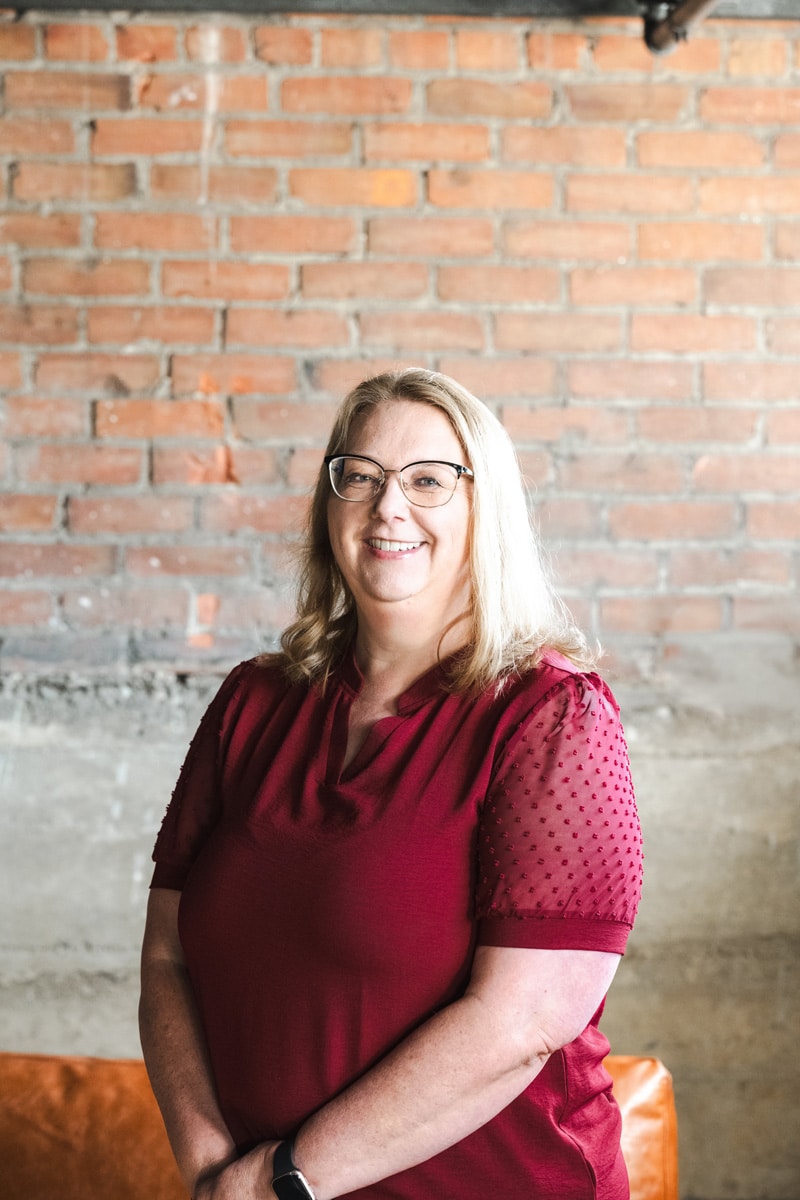
Terry from the sober living house connected Ron with Miriam Stahl, property manager for CLDI’s Koinonia Management Company (KMC). When Ron walked into Miriam’s office in late 2022, the first words she spoke changed everything.
“You come highly recommended,” Miriam said.
“Those words meant everything to me,” Ron recalls. “Someone was finally seeing me for who I was becoming, not just my past mistakes.”
Miriam explains what made Ron stand out as a candidate: “He had a good job, stable employment for six months, and came highly recommended from the sober living program. But most importantly, he communicated well. When people are serious about turning their lives around, they show up on time, follow through on commitments, and are honest when they face challenges.”
CLDI’s approach to tenant screening differs significantly from traditional property management companies. While they maintain necessary requirements (six months of rental history, employment stability, and financial capability), they also consider the whole person and their trajectory of change.
“We’re not just collecting rent,” Miriam emphasizes. “We’re investing in people. When tenants struggle, we don’t immediately move to eviction. We work with them, help them budget, and connect them to resources.”
Christmas Eve 2022: Coming Home
On Christmas Eve 2022, Ron moved into his CLDI apartment. The unit wasn’t fully furnished, and Ron slept on the floor that first night with just a blanket.
“It was still the best night of my life,” he says with emotion. “I finally had my own place, my own key, my own space where I could focus on my recovery.”
The apartment, priced at $700-800 per month instead of market rates of $1,200 or more, offered stability during a crucial transition period. Ron was working full-time, attending recovery programs, and paying off $18,000 in child support debt accumulated during his years of addiction.
Testing the Foundation
Ron’s journey in CLDI housing hasn’t been without challenges, each one testing the strength of the foundation he’d built. During his first summer, heavy rains caused flooding in his bedroom, requiring temporary relocation while repairs were made. The following summer, a SWAT raid at a neighboring apartment brought chaos to his doorstep at 7 a.m.
“Miriam asked if I wanted to move,” Ron remembers. “My first thought was ‘No,’ because I felt like people were trying to chase me out of my home. I had to stand my ground.”
The most significant test came recently when Ron’s mother passed away. In the past, losing someone he loved had always triggered a return to drugs. When his father died in 2014, Ron spiraled into three years of heavy meth use that ultimately led to federal prison.
“I always wondered how I would handle it if my mom ever passed away,” Ron reflects. “When she did, I was okay. I had the tools ,support, and my home to help me cope.”
However, funeral expenses left Ron behind on rent, a situation that would have meant immediate eviction at many properties. Instead, Miriam worked with him to create a payment plan.
“What impresses me about Ron is how he handles adversity with honesty and integrity,” Miriam notes. “When he was struggling with rent after his mom passed away, he didn’t disappear or avoid me. He called and was honest about his situation. We worked out a payment plan together.”
Beyond Survival: Thriving
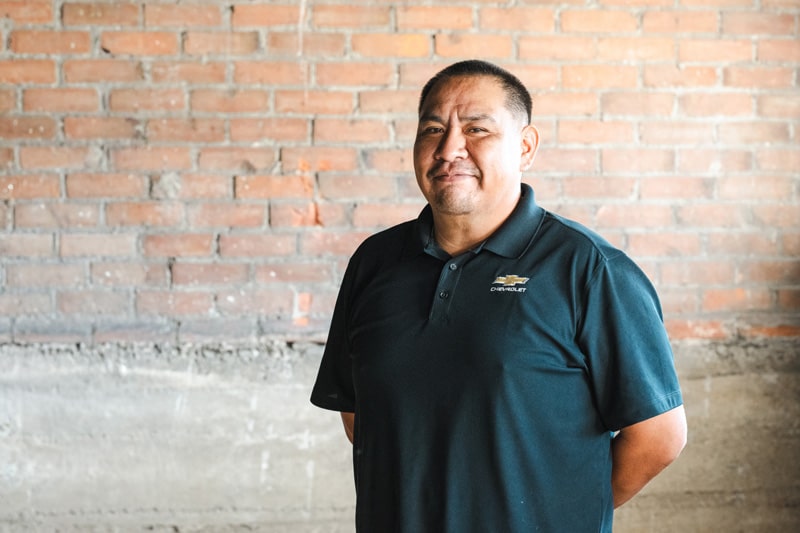
Today, Ron has over 1,500 days clean and sober. He’s paid off the entire $18,000 child support debt, maintains steady employment at Chevrolet, and is actively involved in recovery programs and mentorship.
“I work at Chevrolet,” Ron says. “I have my own car, my own place, and I’m helping other people in recovery. I never would have imagined this life was possible.”
Ron has become a regular on the podcast “Unspoken Words,” where he shares his story and Native American humor with listeners. He posts daily motivational messages on Facebook that have developed a following in his community. Recently, he was selected for an all-expenses-paid trip to a recovery conference in Portland, his first time flying since his transport to federal prison.
“From being unapproachable and angry to someone who wants to help others,” Ron says. “Having someone believe in you when you’re still trying to believe in yourself, that changes everything.”
The Ripple Effect
Ron’s transformation illustrates the broader impact of CLDI’s housing program. When Miriam suggested that Ron could potentially save for a home down payment within eight years (the same timeframe it took him to pay off his debt) Ron’s eyes lit up with possibility he’d never before considered.
“I never really thought about owning a home,” he admits. “But now it feels like something I could actually do. That’s what this place has given me – not just housing, but hope for a future I couldn’t even imagine before.”
This vision aligns with CLDI’s broader mission of community transformation. KMC Housing serves as a stepping stone rather than a permanent solution, empowering people to build toward greater independence.
More Than Housing: A Model for Change
Ron’s story exemplifies CLDI’s comprehensive approach to community development. KMC Housing provides over 70 affordable units, but it’s just one component of CLDI’s three-tiered strategy for bringing Shalom to the South Side of Billings.
For nearly 40 years, CLDI has invested in holistic community transformation through education partnerships, employment opportunities, strategic development projects, and creating “third places” for community gathering. Since 2016, CLDI has invested over $18 million to transform dilapidated buildings and create vibrant spaces, including the 27-unit Tapestry Apartments, four new Chrysalis Townhomes promoting homeownership, and the restoration of Labor Temple Hall.
“When people like Ron have stable housing, they can focus on rebuilding their lives and contributing to their community,” explains Miriam.
The Difference Relationship Makes
What sets CLDI apart from other affordable housing providers is the emphasis on relationship over transaction. Miriam knows her tenants personally, understands their challenges, and celebrates their victories.
“At CLDI, we see tenants as whole people with potential, not just as rent checks or case numbers,” Miriam explains. “The difference between CLDI and other property management companies is our approach to relationship.”
This relational approach creates a support system that extends beyond housing. When Ron faces challenges, he has people who believe in him and will work with him to find solutions. When he achieves milestones, he has a community that celebrates with him.
Looking Forward
As Ron continues his journey, he’s focused on giving back to others who face similar struggles. He regularly mentors people in early recovery, sharing his story at meetings and conferences. His goal is to reach not just his own Native American community, but anyone who needs to hear that transformation is possible.
“I went from being someone who used anger to keep people away to someone who wants to help everyone,” Ron reflects. “My sponsor taught me how to live in harmony with others. Today, I see everyone as God’s children, deserving of respect and second chances.”
Ron’s story also highlights the ongoing need for affordable housing in communities across America. Without CLDI’s program, Ron might have ended up in substandard housing in high-crime areas — exactly the environment that previously triggered his relapses. Instead, he found a clean, safe, supportive environment that became the foundation for lasting change.
In a world that often writes people off after their worst moments, CLDI chooses to see potential. In a housing market that frequently excludes those who need second chances most, KMC Housing opens doors. In a society that sometimes forgets the power of stable housing to change everything, Ron’s story stands as living proof that home is indeed where healing begins.
Hear Ron tell his story here: